
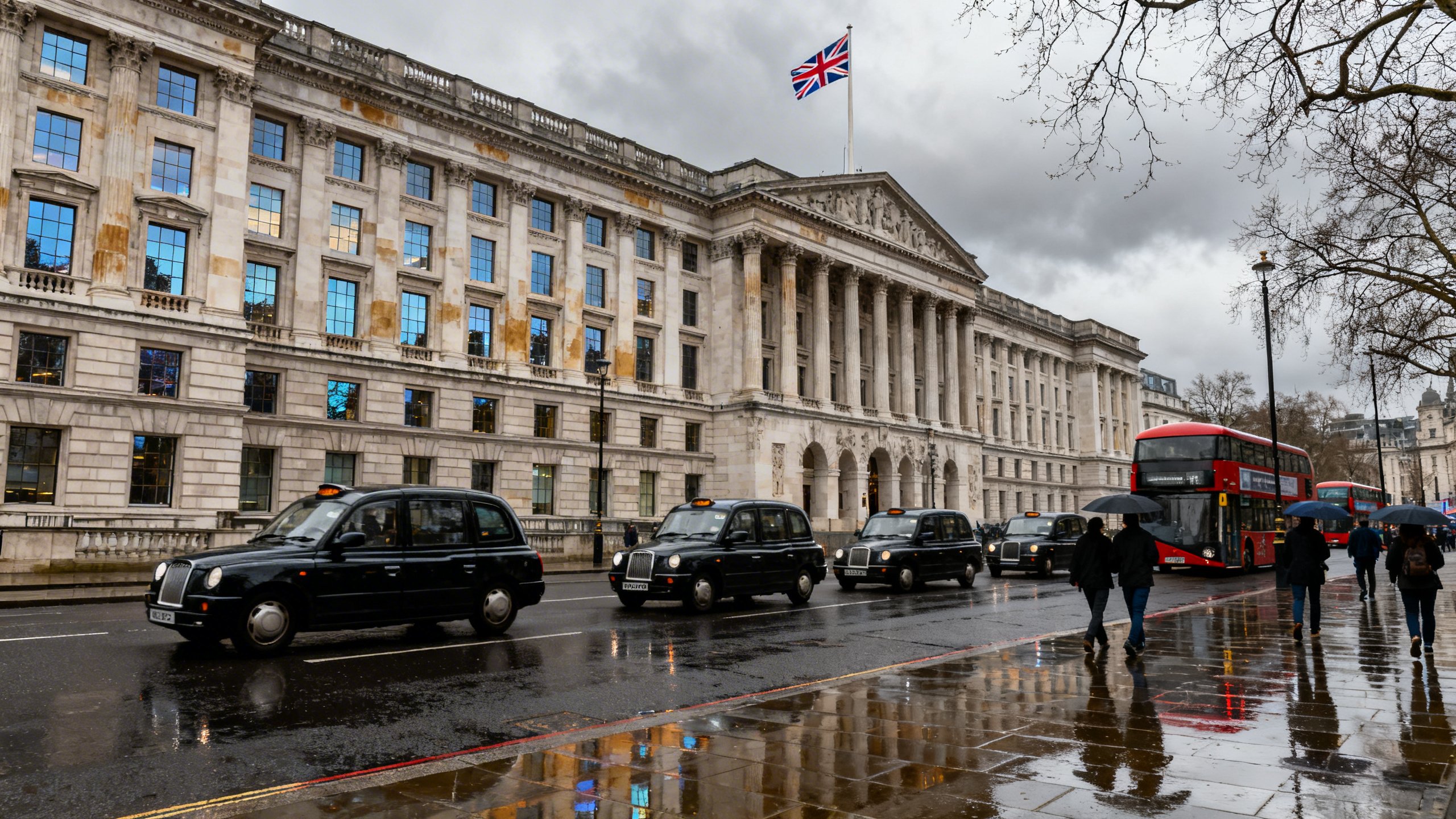
Chancellor Rachel Reeves delivered a Spring Statement with no new housing measures, focusing instead on economic stability as geopolitical tensions in the Middle East threaten to impact UK markets.
The Office for Budget Responsibility (OBR) released forecasts alongside the statement predicting inflation will fall from 3.4% in 2025 to 2.3% in 2026, returning to the 2% target in late 2026, earlier than previously forecast. However, growth was downgraded for 2026 to 1.1% from 1.3%, with unemployment expected to peak at 5.3% this year. Borrowing is forecast to be nearly £18bn lower than predicted, with fiscal headroom increasing from £21.7bn to almost £24bn.
Middle East conflict poses risks
The OBR noted that its forecasts were finalised as conflict with Iran was escalating and warned that the situation in the Middle East could have “very significant impacts on the global and UK economies”. UK wholesale gas prices have surged amid threats to shipping and attacks on production facilities, increasing the risk of higher inflation. Government bond yields and swap rates are rising, which could push up mortgage costs.
Shadow Chancellor Mel Stride compared Reeves to a “dodgy estate agent” standing in a wreck of a building trying to convince people to “look at the potential”.
Industry calls for stamp duty reform
Colleen Babcock, Head of Partner Marketing at Rightmove, said: “After the long build-up to November’s Autumn Budget, which was full of near-daily rumours about tax and policy changes, it’s been reassuring to see a much calmer run-up to today’s Spring Forecast.”
She called for stamp duty reform ahead of the Autumn Budget, noting that less than half of homes in England are now stamp-duty free to first-time buyers, falling to just one in ten homes in higher-priced regions like London. “In its current form, stamp duty remains a major barrier to movement, which isn’t good for would-be buyers and sellers, or for the wider economy,” she said.
Jason Tebb, President of OnTheMarket, said: “After the turbulence surrounding the Autumn Budget, a continued period of clarity and certainty is now what the market needs more than ever.”
Jeremy Leaf, a north London estate agent and former RICS residential chairman, said: “The Chancellor failed to offer much prospect of change. While there has been less speculation about tax rises and spending cuts this time around, the Chancellor also hasn’t delivered any encouragement for first-time buyers, who are the engine room of the housing market.”
Developers seek planning clarity
Paul Ebbs, Divisional Managing Director at Dandara, said: “The Spring Statement may not be designed to grab headlines, but for those of us building homes, stability is exactly what the market needs.” He called for targeted measures to support buyers and unlock transactions, including a renewed form of Help to Buy.
Tim Sargeant, Chairman at City & Country, said: “The Chancellor has missed an opportunity to use her platform to address housing.” He noted that builders already pay around 32% of the sales value of every home they build in taxes, not including CIL and Section 106 agreements.
Simon Cox, CEO of Walter Cooper, said: “The housing sector is already under immense pressure from a land and delivery perspective, and increased taxation in previous Budgets has exacerbated that concern.”
Sanjay Joshi, Director of Lawsons & Daughters, said: “While no major housing announcements were expected as part of the Spring Statement, the stability that comes with that is welcome after a tumultuous Autumn Budget.” He noted that with significant legislative changes on the horizon, including the Renters’ Rights Bill and evolving energy efficiency requirements, clarity will be important to ensure continued confidence and investment.
The absence of new housing measures leaves the sector awaiting the Autumn Budget for potential policy changes, while external factors including Middle East tensions pose risks to mortgage rates and market confidence.